
Dispatch · July 3, 2026 · 5 min · By Xiomara Brandt
Radiofrequency and ultrasound skin tightening, explained
The energy devices that sit between injectables and surgery, and what they can honestly do for mild laxity.
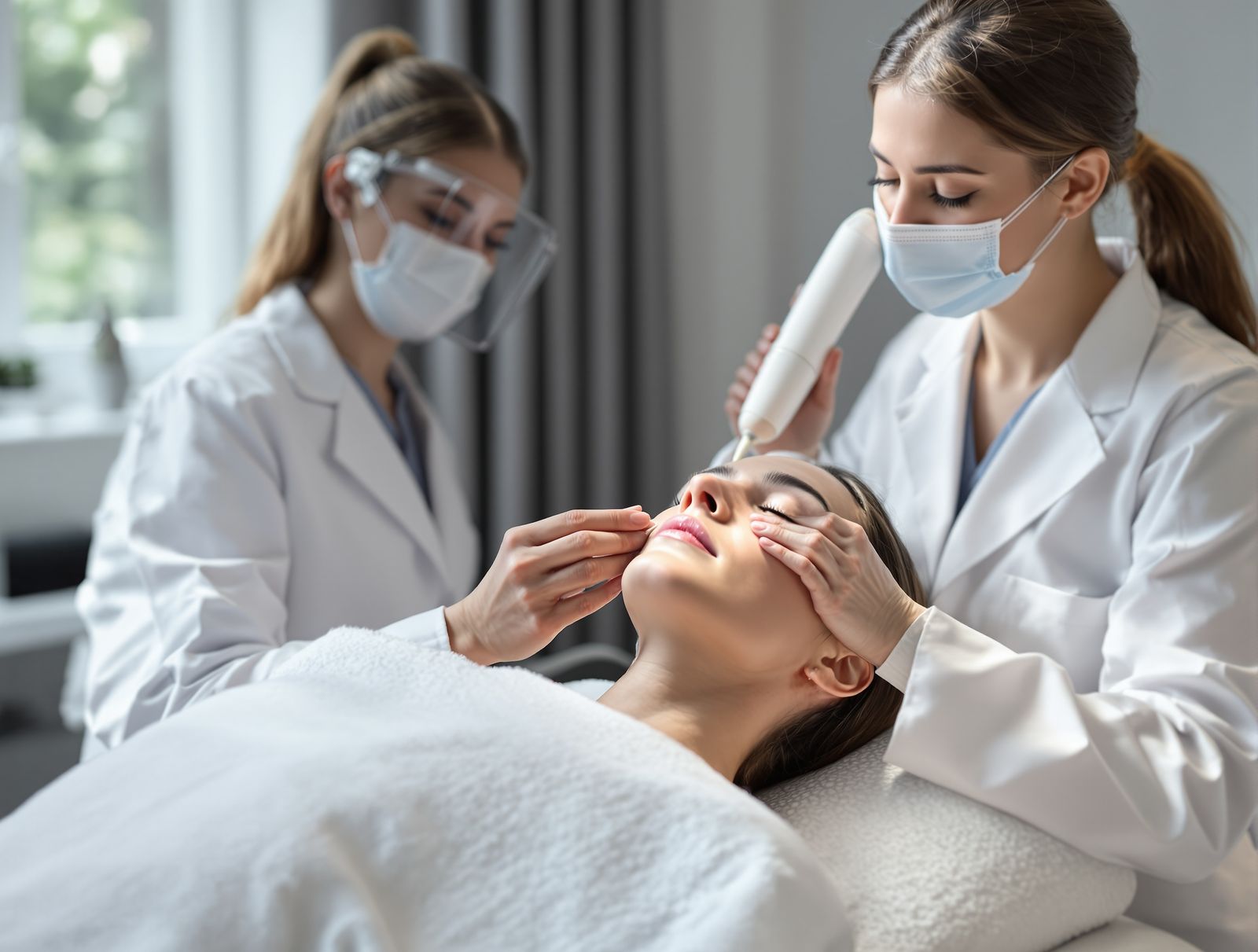
Most of the non-surgical toolkit works on movement, volume, or the skin surface. Energy-based skin tightening is different: it targets the early laxity that fillers cannot fix and that is not yet severe enough for surgery. Radiofrequency and ultrasound devices heat the deeper layers of the skin to trigger the body's own collagen response, and for the right candidate they can produce a modest, genuine tightening. Understanding how they work, and being honest about their limits, is what keeps expectations realistic.
How heating the skin tightens it
Both radiofrequency and ultrasound tightening rely on the same biological trick: controlled heat delivered below the surface. When the deeper dermis and its supporting tissue reach a specific temperature, existing collagen contracts a little immediately, and, more importantly, the injury signal prompts the body to build new collagen and elastin over the following months. That is why results are gradual rather than instant, typically developing over two to six months and continuing to refine after a single session. Because the effect depends on your own tissue remodeling, outcomes vary from person to person, and someone with good baseline skin quality tends to respond better than someone with advanced sagging.
Radiofrequency versus ultrasound
Radiofrequency devices (brands like Thermage, and microneedling radiofrequency systems such as Morpheus8) use electrical energy to heat the dermis, and microneedling versions add tiny channels that also improve texture. Microfocused ultrasound (Ultherapy is the best known) uses sound energy to deposit heat in precise, deeper points, reaching the layer surgeons address in a facelift, which is why it is often marketed for the brow, chin, and neck. Ultherapy is FDA cleared to lift the eyebrow, the tissue under the chin, and the neck, and to improve lines on the chest, which the U.S. Food and Drug Administration tracks as regulated aesthetic devices (see the FDA's overview of aesthetic devices). Reviews of microfocused ultrasound in the peer-reviewed literature describe reliable but modest lifting and tightening rather than dramatic change, as summarized in research indexed by the National Library of Medicine.
What it can and cannot do
The honest framing is that these devices tighten mild to moderate early laxity, they do not lift skin that has genuinely descended. If your concern is slight softening along the jawline or a little looseness under the chin, energy tightening may firm it noticeably. If you have heavy jowls, deep neck bands, or significant excess skin, no device will match what surgery does, and chasing that result with repeated treatments wastes money. The American Academy of Dermatology notes that non-invasive tightening produces subtle, gradual results and works best on mild skin laxity (see the AAD's guide to tightening loose skin). This is the same line drawn throughout facial rejuvenation, so if you are still weighing your options it is worth reading non-surgical vs. surgical facial rejuvenation and the broader decision guide on whether you need surgery.
Downtime, comfort, and safety
One of the main appeals is the lack of real downtime. Most radiofrequency and ultrasound treatments leave the skin a little red or briefly swollen, and you can usually return to normal activity the same day, though microneedling radiofrequency can involve a few days of recovery. Comfort varies: some ultrasound treatments cause a deep, momentary heat sensation during each pulse, which providers manage with technique and sometimes numbing. Safety depends heavily on the operator's skill and on matching the device settings to your skin, which is why these are medical treatments rather than spa add-ons. As with injectables, the quality of your result tracks the quality of your provider, so the same care applies as in choosing a provider for non-surgical facial treatments.
The takeaway
Radiofrequency and ultrasound skin tightening fill a specific and useful niche: they address the early laxity that sits just past what fillers can help and just short of what needs surgery. Approached with realistic expectations, as a subtle firming and collagen-building tool rather than a facelift substitute, they can be a worthwhile part of a non-surgical plan. The people who are happiest with them are those who understand exactly what modest tightening looks like and who chose an experienced provider to deliver it.
Related reading: The non-surgical facial rejuvenation toolkit and threads, skin boosters, and microneedling.