
Field Notes · July 7, 2026 · 6 min · By Winifred Okorie
Discount injectables: when the cheap option costs more
Deal sites, deep discounts, and bargain Botox, and why the lowest price is rarely the best value.
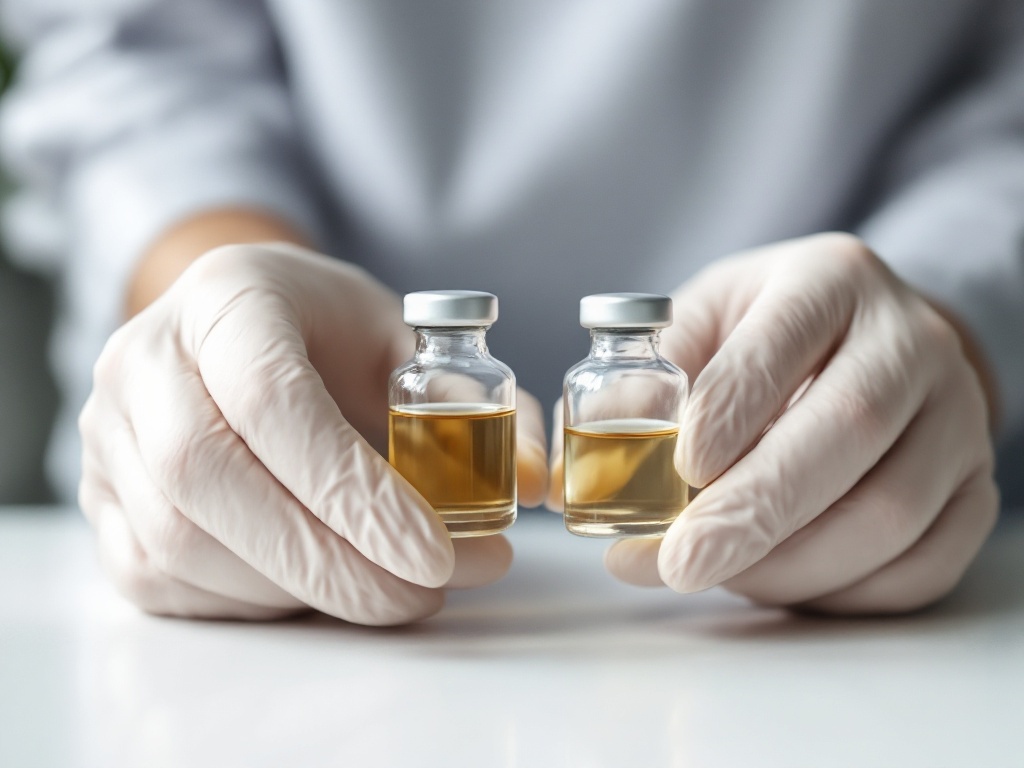
Injectables are expensive enough that deal sites, flash discounts, and bargain med spa menus are genuinely tempting, and it is fair to ask whether the same product at half the price is simply a better deal. Sometimes it is: legitimate practices run introductory offers and loyalty programs. But a price far below the local market usually means something else is different, and knowing what that something can be is how you tell a real discount from a false economy.
Where a too-low price actually comes from
There are only a few ways to sell an injectable treatment dramatically below market. The provider may be less experienced or less supervised, since injector time is the largest legitimate cost in the room. The product may be diluted, so a syringe or a unit count does not deliver what it normally would. Or, in the worst case, the product may not be authentic at all. Counterfeit and improperly sourced botulinum toxin products have repeatedly turned up in the United States, and the U.S. Food and Drug Administration has warned about unsafe or unapproved versions of both toxins and fillers (its plain-language guide to dermal fillers covers what approved products are and are not). None of this means every discount is dangerous. It means the discount has a source, and you want to know which one it is.
The math of a bad outcome
The reason bargain injectables can cost more is that corrections are their own expense. Filler placed poorly may need to be dissolved with hyaluronidase, which is a separate medical procedure with its own fee, as we explain in can filler be dissolved?. A neuromodulator treatment that was over-diluted simply fades early, so the per-month cost of the result can exceed what a full-price treatment would have been. And an overdone result, the kind that comes from volume sold by the syringe rather than planned for the face, can take months and real money to unwind. Priced per visit, the discount wins. Priced per good outcome, it often does not.
Questions that separate a real deal from a red flag
A legitimate practice running a promotion will answer all of these easily: Who is doing the injecting, and what is their training and supervision? Which specific product is being used, and is it FDA approved? How many units or syringes does the quoted price actually include? Is hyaluronidase stocked on site in case of a filler emergency? Hesitation on any of these is more informative than the price tag. These are the same screening questions that apply at any price point, and they are covered in more depth in choosing a provider for non-surgical facial treatments.
Where saving money actually makes sense
There are honest ways to spend less. Established practices often price packages and memberships below their single-visit rates, and phasing a plan across the year spreads the cost without changing who holds the syringe, an approach we outline in what a non-surgical facelift costs. Treating conservatively and maintaining on schedule is cheaper than correcting excess. And skipping low-value add-ons entirely saves more than discounting them ever will.
The practical rule is simple: shop hard on value, never on product authenticity or injector skill. A modest discount from a qualified provider is a deal. A dramatic discount from an unknown one is a bet, and the thing you are betting is your face.
Related reading: Achieving natural results with non-surgical treatments.